Skip to content
Food Processing in a Controlled Environment

Cleanrooms for

the food & beverage industry

The food and beverage industry is facing increasingly stringent quality standards imposed by Canadian regulatory agencies. Consumer expectations regarding food safety have never been higher, and the consequences of contamination—product recalls, lawsuits, and reputational damage—can have significant financial impacts.

Environmental control ensures that products intended for human consumption are free from contamination by particles, pathogenic microorganisms, or foreign objects. Unlike the pharmaceutical sector, the food industry rarely requires ultra-strict ISO classifications, but it does demand a pragmatic approach focused on hygiene, ease of cleaning, and control of critical areas.

Quick Navigation

Understanding the Challenges Facing the Food Industry

Classifications Tailored to Actual Needs

The food industry generally uses ISO 7 or ISO 8 environments for critical areas, and sometimes controlled environments without strict ISO classification for storage and preparation areas. For most advanced food applications, ISO 8 provides an appropriate level of control.

Controlled environments without a specific ISO classification focus on temperature and humidity control rather than strict particle count. This pragmatic approach optimizes the investment by targeting the parameters that are truly critical to product quality and safety.

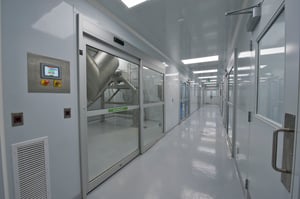
ATP Lab Production Line in a Cleanroom

Focus on Hygiene and Microbiological Testing

In the food industry, microbiological control often takes precedence over particle control. The HACCP (Hazard Analysis and Critical Control Points), BRC (British Retail Consortium), and FSSC 22000 standards establish the frameworks for food safety management in Canada.

These standards emphasize identifying critical points where contamination can occur and then implementing control measures at those specific stages. A full cleanroom is not always necessary—often, enclosing critical exposure areas is sufficient.

Aseptic Filling: Extending Shelf Life

Aseptic filling is an important technology for beverages and liquid products. The process sterilizes the product and the packaging separately, then fills the cooled product into the sterilized packaging within a microorganism-free environment.

This approach eliminates the need for preservatives and refrigeration, extending the product’s shelf life while preserving its nutritional value and flavor. Aseptic filling facilities typically require ISO 7 environments for critical filling areas.

What Shapes Our Perceptions

A
Targeted Implementation and Cost Optimization

Complete encapsulation of a food processing plant is generally neither necessary nor economically justified. We help our clients identify the critical areas that truly require strict environmental control:

  • Exposure Zones: Where the product is exposed to the open air (filling, mixing, transfer between equipment)
  • Final packaging: Before the package is hermetically sealed
  • Cooling areas: After heat treatment, where the product is vulnerable

This targeted approach reduces initial investment and operating costs while adequately protecting the product.

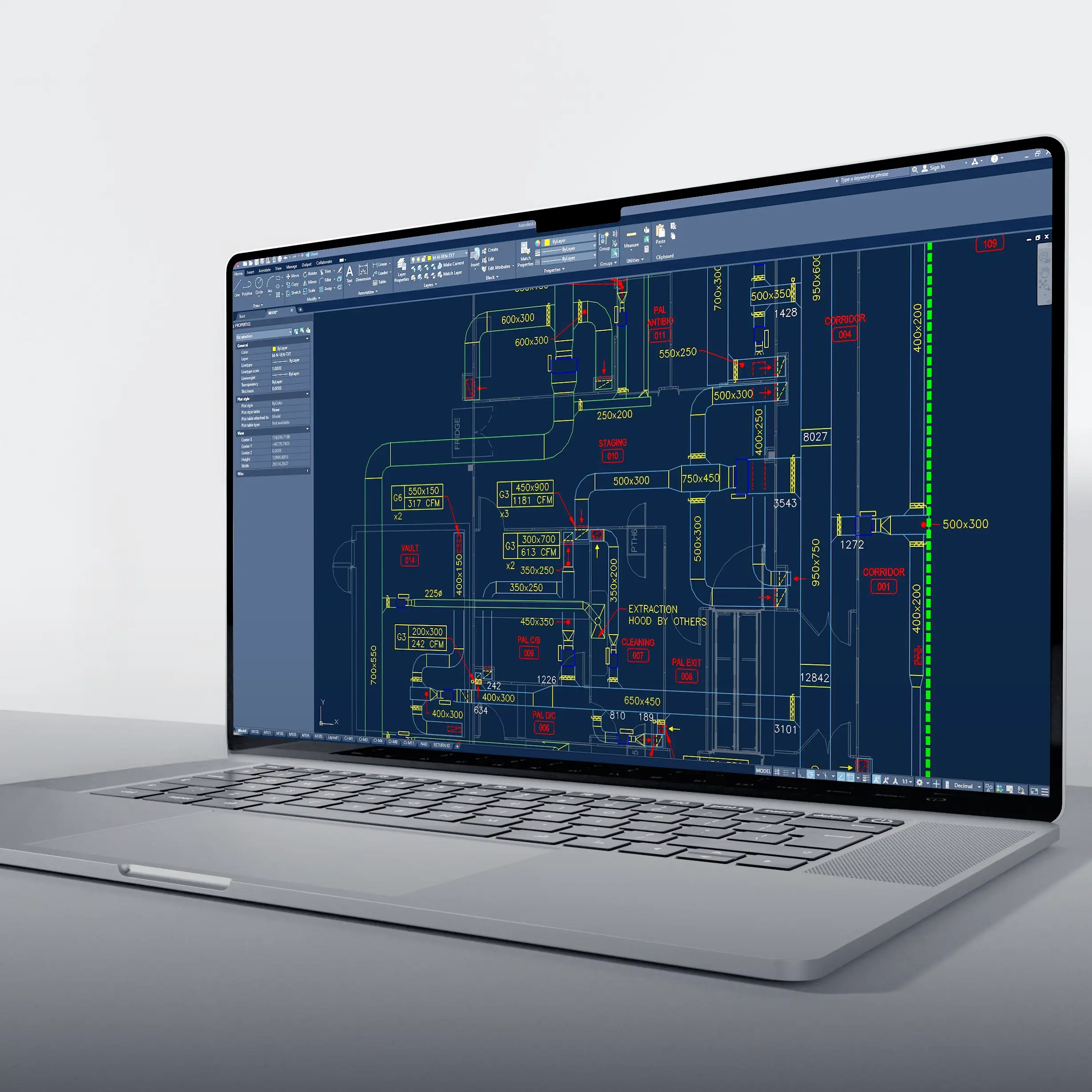
Detailed design drawings displayed on screen (CAD)
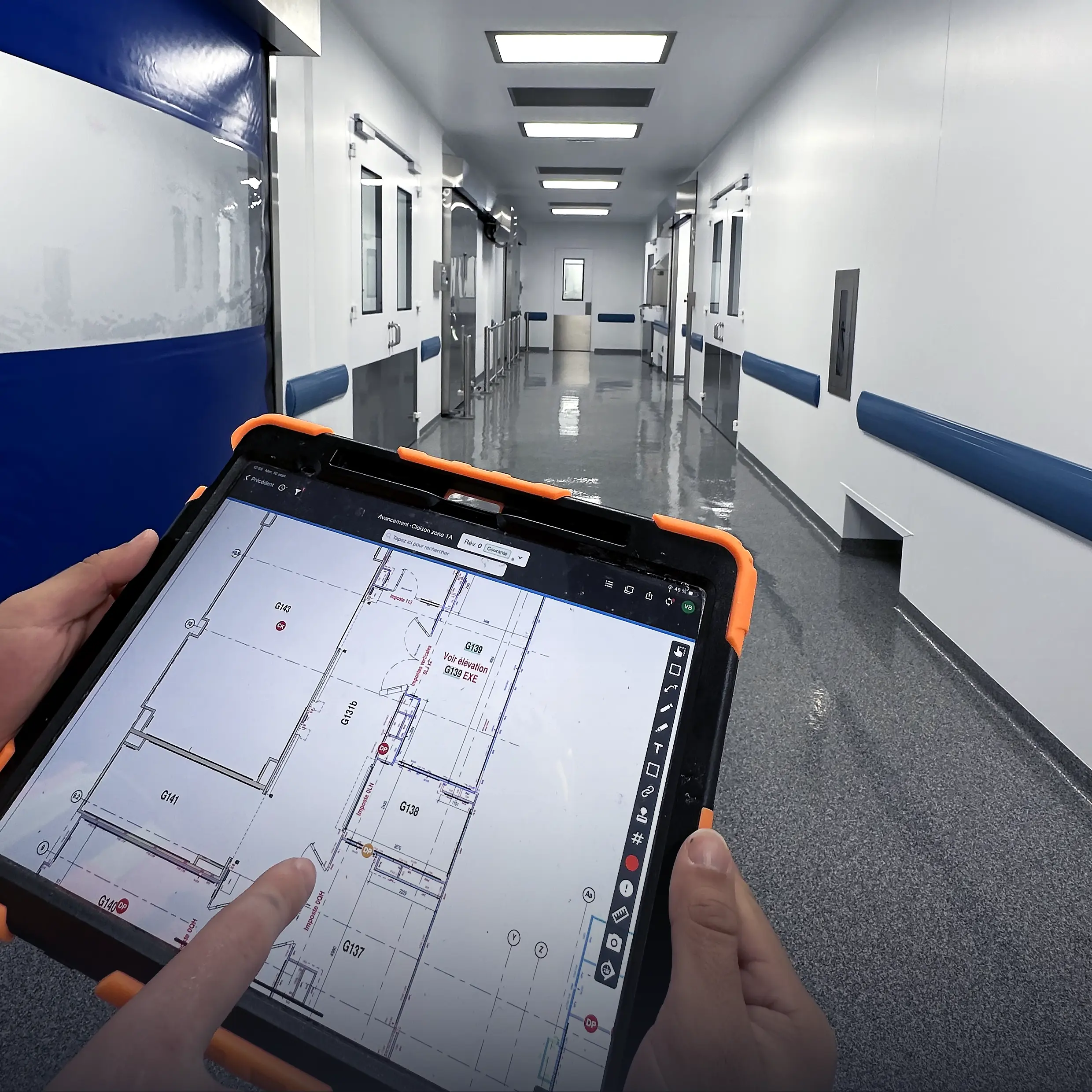
Viewing plans and specifications on a tablet in a cleanroom
B
Materials and finishes for maximum hygiene

Surfaces in the production area that come into contact with air must be easy to clean and resistant to the harsh cleaning agents used in the food industry.

Preferred materials: 304 or 316L stainless steel for exposed surfaces, smooth, non-porous panels for walls, and flooring that is resistant to chemicals and moisture.

Sanitary finishes: Rounded corners (coving) where walls meet floors, flush surfaces without joints where residue can accumulate, and proper drainage for wet areas.

Chemical resistance: Compatibility with chlorine-based solutions, acids, alkalis, and quaternary ammonium compounds used for cleaning and disinfection.

C
Pressure and Airflow Management

Critical areas generally operate under positive pressure to prevent the intrusion of external contaminants. Air flows from clean areas to less clean areas, creating an aerodynamic barrier.

Airlocks and air curtains help separate production areas from support areas. Directional ventilation systems ensure that air never flows from “dirty” areas (reception, waste) to “clean” areas (production, packaging).

Detailed design drawings displayed on screen (CAD)
Viewing plans and specifications on a tablet in a cleanroom
D
Humidity Control to Preserve Quality

Dehumidification is essential in certain applications. Systems may use conventional methods (cooling followed by reheating) or desiccant technologies for applications requiring very low humidity.

Humidity control prevents several problems: weight loss due to evaporation for products sold by weight, the formation of unwanted crusts or skins on surfaces, production slowdowns when products stick together, and fungal growth on surfaces and equipment.

E
Logistical and Time-Related Challenges

Food processing facilities often operate continuously or with very limited downtime. Our projects have required tailored approaches:

  • Construction during active production: Strict zoning with physical barriers, rigorous dust control, and close coordination with operations.
  • Short shutdown windows: Pre-positioning of materials, multiple teams working in parallel, and detailed planning to minimize downtime.
  • Phased installation: Segmenting the project to allow for gradual commissioning without a complete interruption of production.
Detailed design drawings displayed on screen (CAD)
30 YEARS OF CLEANROOMS AND CONTROLLED ENVIRONMENTS

Projects Completed by Consab in the Food Industry

The food industry requires a pragmatic approach to environmental control—strict enough to ensure safety and quality, yet optimized for economic viability. Our experience spans beverage filling, the packaging of sensitive products, processing areas, and controlled storage facilities. We support each project by taking into account the operational and budgetary constraints specific to your facility.

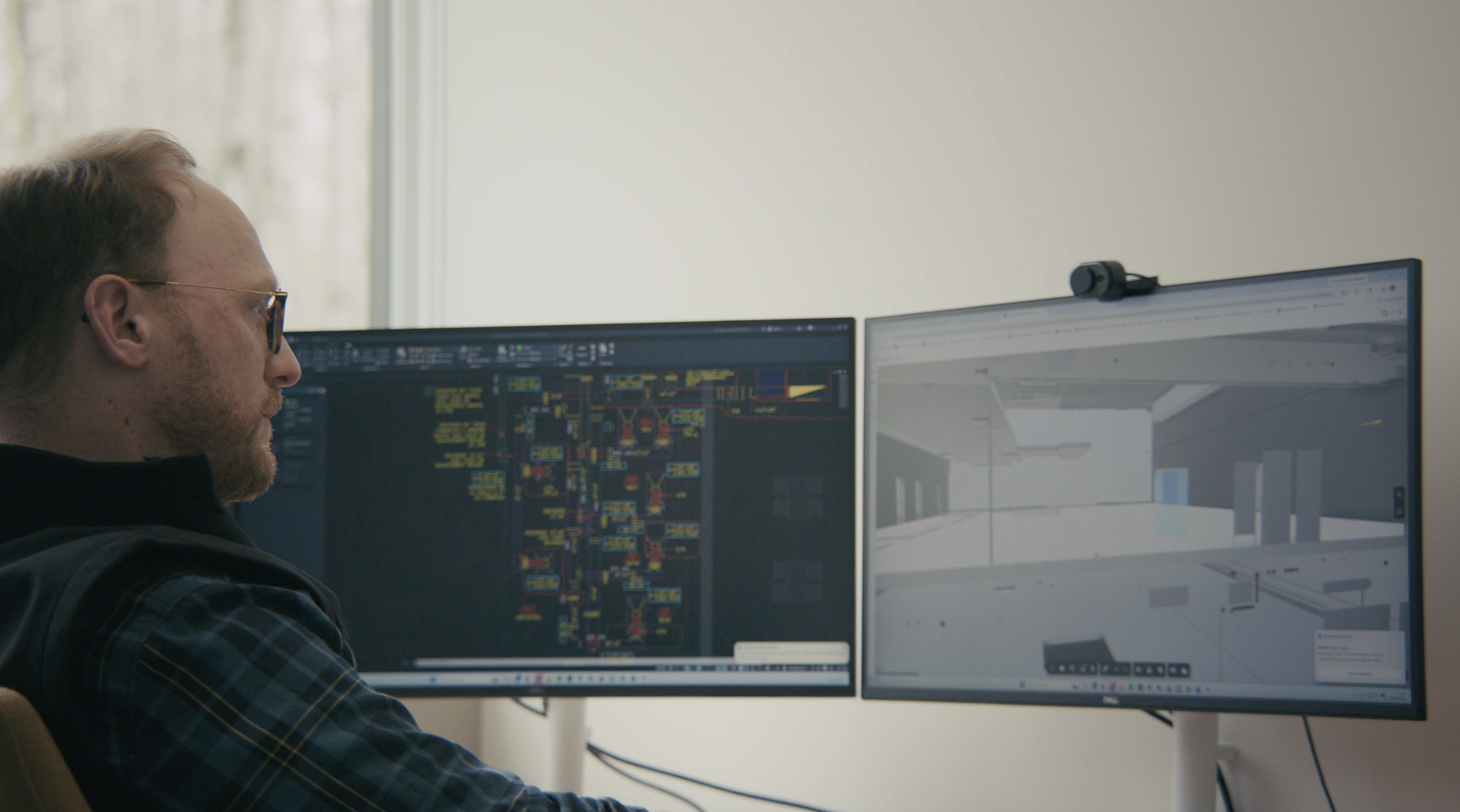
Consab expert analyzing control systems

THE CONSAB DIFFERENCE

Our strength lies in our ability to offer you unparalleled consulting services thanks to our:
Independence from manufacturers:

Recommendations based on your actual needs, budget, timelines, and technical requirements—not on a pre-determined catalog.


Integrated design-build expertise:

The ability to manage both design and construction, allowing us to anticipate on-site challenges as early as the consultation phase—helping you avoid surprises, delays, and additional costs.


Agile and personalized approach:

We offer either full-service management of your project or a more targeted approach for a specific phase.

Ready to bring your food-grade cleanroom project to life?

Whether you’re planning a new filling line, an aseptic packaging area, or seeking to bring your facility into compliance with HACCP standards, our team has the expertise to design tailored and cost-effective solutions.