Skip to content
Biotechnology Laboratory — Production Equipment

Cleanrooms for

the biotechnology industry
The biotechnology industry relies on the handling of highly sensitive biological materials (living cells, microorganisms, enzymes, proteins), which requires rigorous environmental control to prevent contamination and ensure the integrity of cultures. This rapidly growing sector combines the requirements of the pharmaceutical industry (sterility, regulatory compliance) with those of controlled agriculture (CO₂, humidity, environmental cycles).

Unlike traditional pharmaceuticals, which focus on particulate and microbial contamination, biotechnology requires sophisticated control of biological parameters: precise CO₂ levels for optimal cellular metabolism, high humidity to prevent culture desiccation, ultra-stable temperatures for reproducibility, and sometimes programmed cycles for light-sensitive organisms.

Quick Navigation

Understanding the Challenges in the Biotechnology Industry

Simultaneous Multi-Parameter Control

Biotechnology requires the simultaneous management of several interdependent environmental parameters. Mammalian cell culture for the production of vaccines or cell therapies typically requires 37°C ± 0.1°C, 2–10% CO₂, and 85–95% relative humidity.

These conditions replicate the natural physiological environment. Even minor variations can affect cell growth rates, productivity, and the quality of the final product. Temperature directly influences metabolism; CO₂ maintains optimal pH via the bicarbonate buffer system; and humidity prevents excessive evaporation, which would concentrate salts to toxic levels.

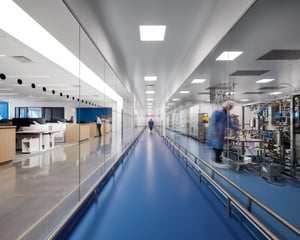
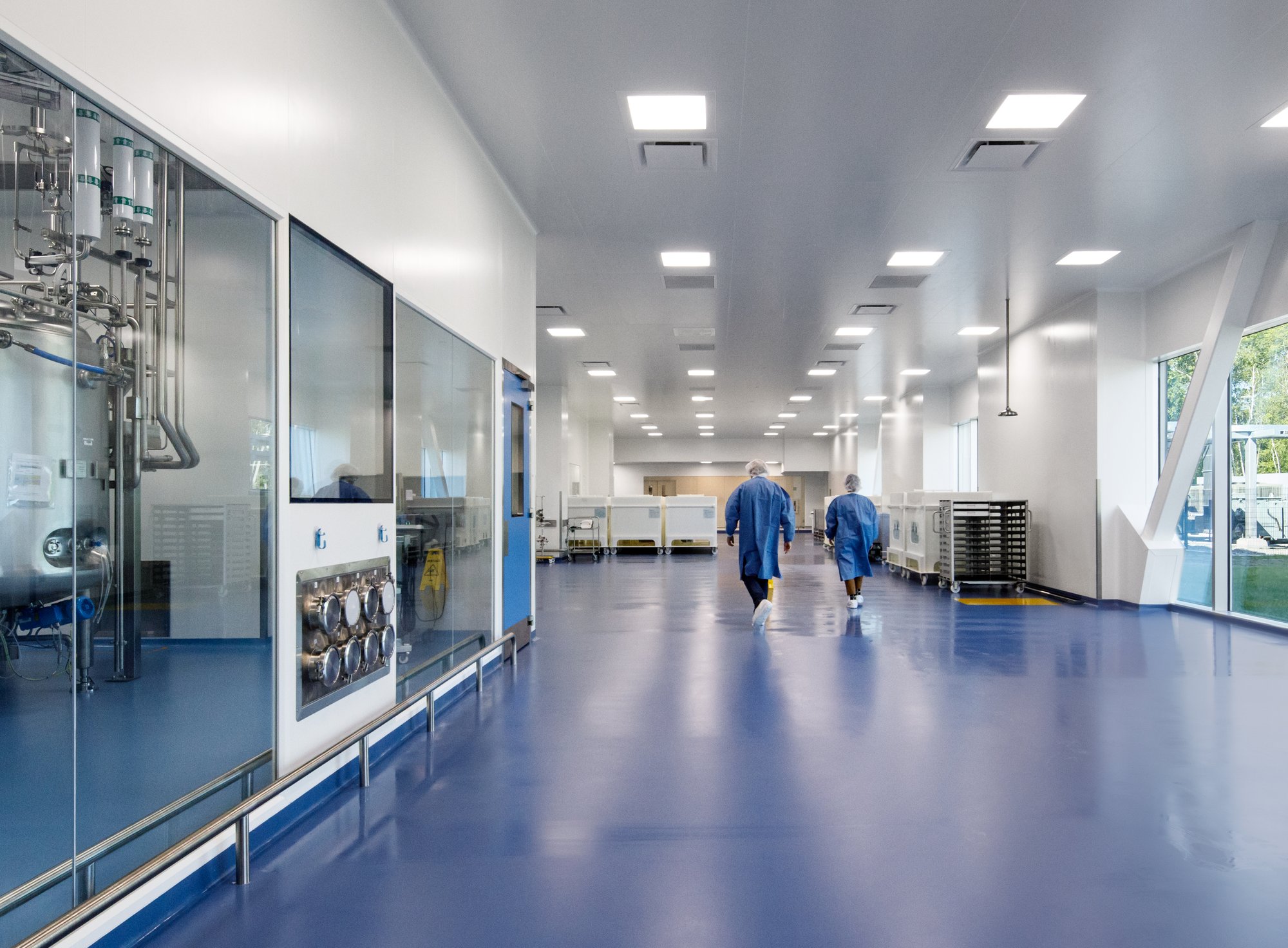
Moderna Production Area

Controlled Environments vs. Strict Cleanrooms

Although some biotechnology applications require ISO 5–7 cleanrooms, many processes favor controlled environments that focus on biological parameters rather than strict particle control.

Closed bioreactors create sealed systems that protect cultures without requiring an entire ISO 5 cleanroom. General culture rooms often operate at ISO 7–8. Critical aseptic areas (filling, sampling) require ISO 5–6 for open-bowl operations.

This tiered approach allows for the optimization of investment by applying strict controls only where required by the process.

Regulatory Compliance and Scalability

For biopharmaceutical products intended for human use, compliance with Health Canada’s Good Manufacturing Practices is mandatory. Facilities must demonstrate validated control of all critical parameters, including installation qualification (IQ), operational qualification (OQ), and performance qualification (PQ).

Biotechnology projects typically follow this path: R&D phase with small bioreactors (2–50 liters), proof of concept (50–200 liters), pilot production (500–2,000 liters), and then commercial production (5,000–20,000 liters and above). This progression requires forward planning starting from the initial design phase.

What Shapes Our Perceptions

A
Precise Control of CO₂ and the Atmosphere

Carbon dioxide directly influences cellular metabolism and is a critical parameter in mammalian cell culture.

Control must maintain an accuracy of ±0.1 to 0.3% CO₂ to ensure reproducibility between batches. Modern incubators use infrared sensors with continuous monitoring and alarms for critical deviations.

In large-scale bioreactors, dissolved CO₂ can accumulate to inhibitory levels during phases of high cell density. Levels of 5 to 15% dissolved CO₂ are generally acceptable; above these levels, inhibitory effects on cell growth begin to appear.

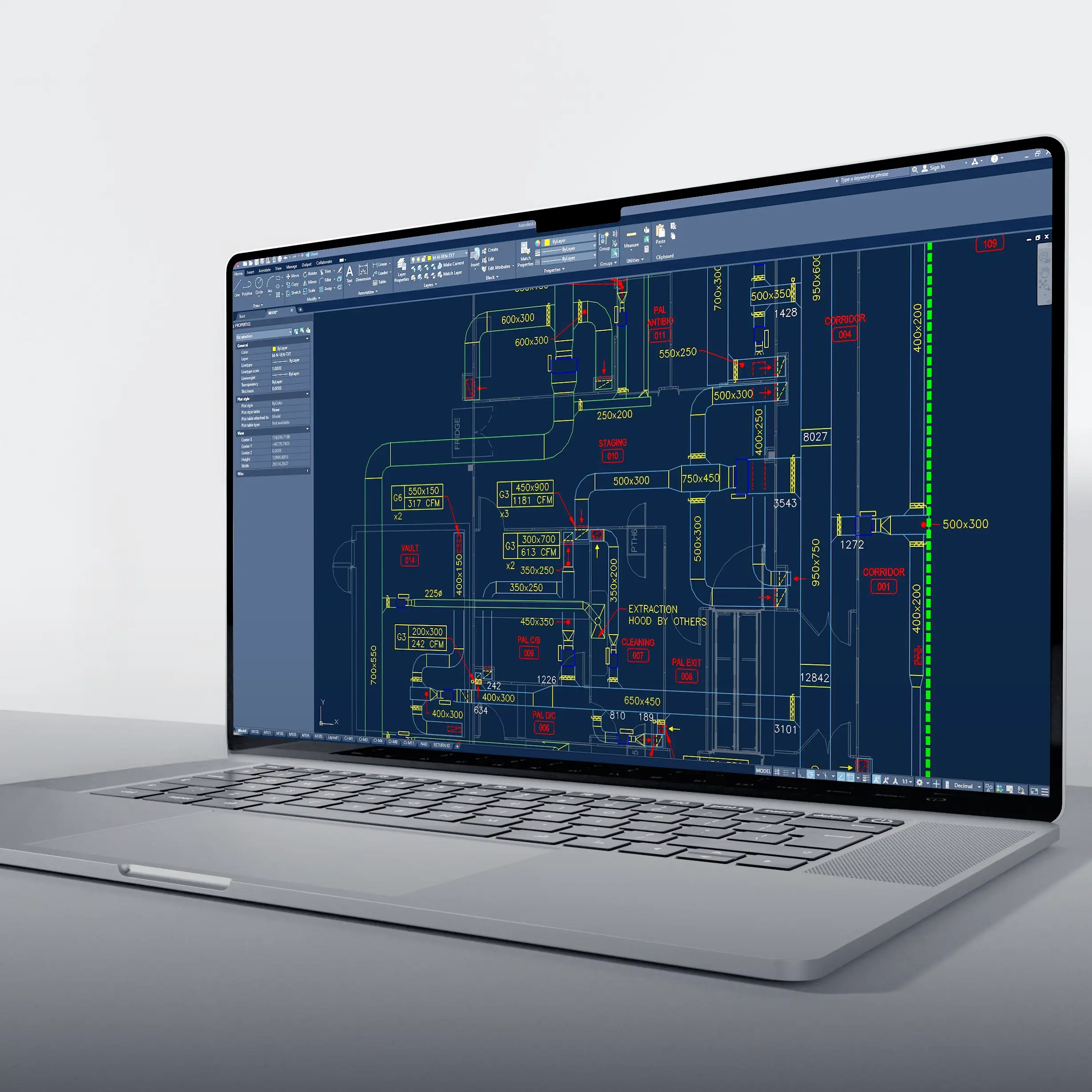
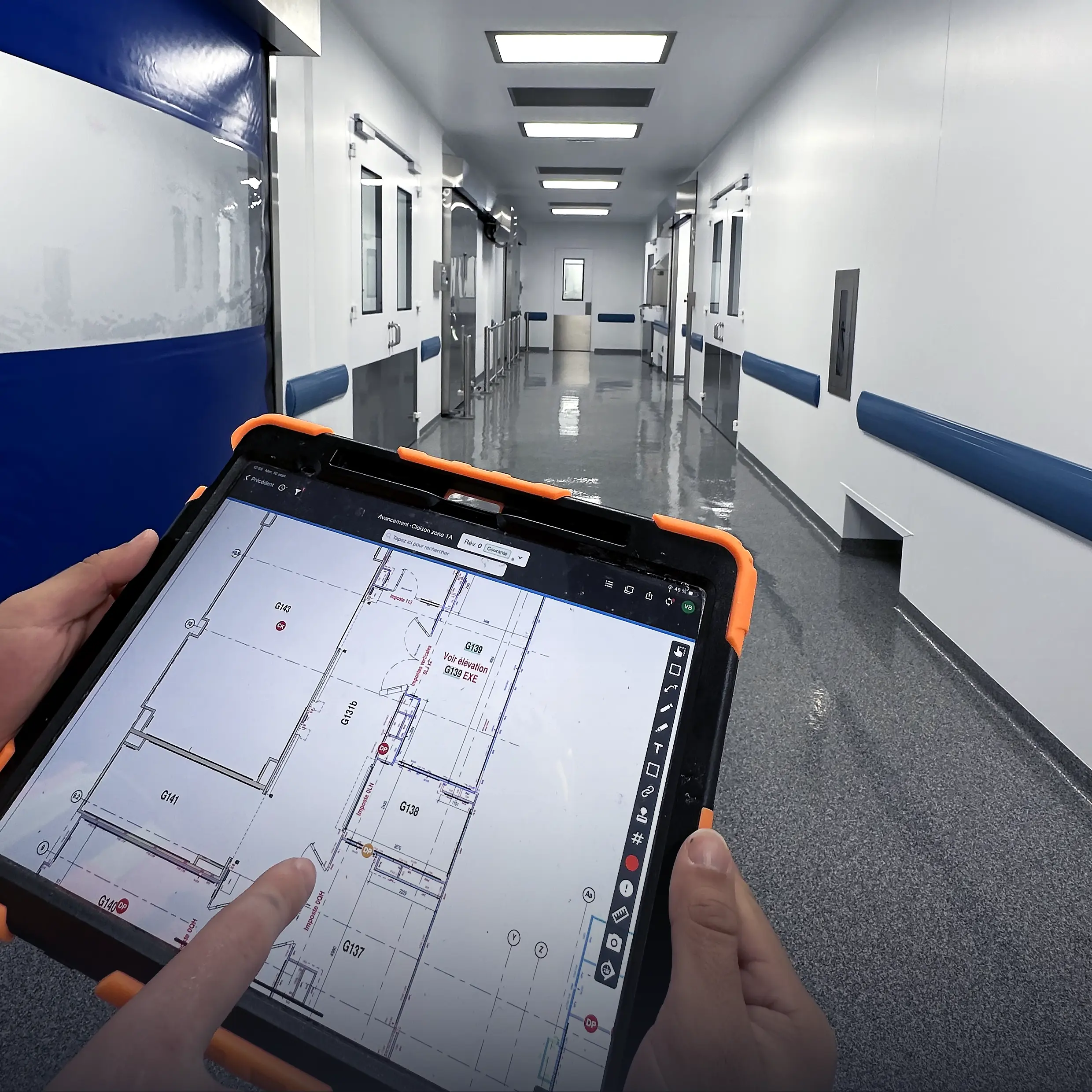
Detailed design drawings displayed on screen (CAD)
Viewing plans and specifications on a tablet in a cleanroom
B
Advanced humidity and temperature control

High humidity (85–95% RH) in incubators and culture rooms prevents excessive evaporation of culture media. Without proper control, evaporation gradually concentrates salts and nutrients to levels that are toxic to cells.

Other organisms require different temperatures: 25–30°C for plant cultures or yeasts, and 45°C for certain thermophilic bacteria. The systems must offer flexibility and precise control over a wide range of conditions.

C
Architecture for Decontamination and Sterility

Biotechnology environments require rigorous cleaning and decontamination protocols. The selected materials are resistant to standard disinfectants (isopropyl alcohol, quaternary ammonium compounds) and, for certain applications, vaporized hydrogen peroxide.

Flat surfaces, rounded corners, and the absence of hard-to-reach areas facilitate cleaning and reduce potential sites of contamination. This design minimizes cross-contamination between different production areas.

Detailed design drawings displayed on screen (CAD)
Viewing plans and specifications on a tablet in a cleanroom
D
Prevention of Microbiological Contamination

Microbial contamination is the leading cause of biopharmaceutical product recalls. Control strategies include:

  • HEPA filtration: All incoming airflow to critical areas passes through HEPA filters that remove >99.97% of particles ≥ 0.3 microns
  • Decontamination cycles: Automated systems using dry heat (180°C) or VHP for periodic sterilization of incubators and equipment
  • Continuous monitoring: Active and passive air sampling, contact plates, and surface testing according to defined protocols
E
Flexibility and Monitoring for Compliance

Modern biotechnology companies rarely develop just one type of therapy. Their pipelines include monoclonal antibodies, cell therapies, gene therapies, mRNA vaccines, and recombinant proteins, each with its own distinct requirements. Designing for flexibility requires smart zoning and reconfigurable areas.

Regulatory compliance requires continuous monitoring and documentation of all critical parameters. Integrated environmental management systems (EMS) and building management systems (BMS) monitor temperature, humidity, CO₂, differential pressure, and particle counts, with alarms for out-of-specification conditions.

Detailed design drawings displayed on screen (CAD)
30 YEARS OF CLEANROOMS AND CONTROLLED ENVIRONMENTS

Projects Completed by Consab in the Biotechnology Industry

Biotechnology combines strict biological requirements, regulatory compliance, and rapid evolution driven by scientific discoveries. Our experience spans cell culture, industrial bioreactors, advanced therapies, and GMP-compliant production facilities. We support each project by taking into account Health Canada standards and the typical evolution of the biotechnology sector.

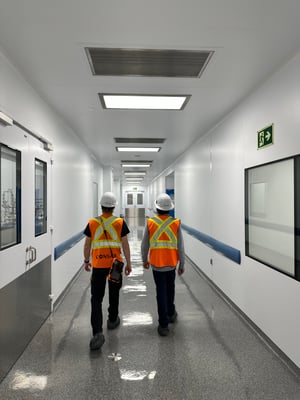
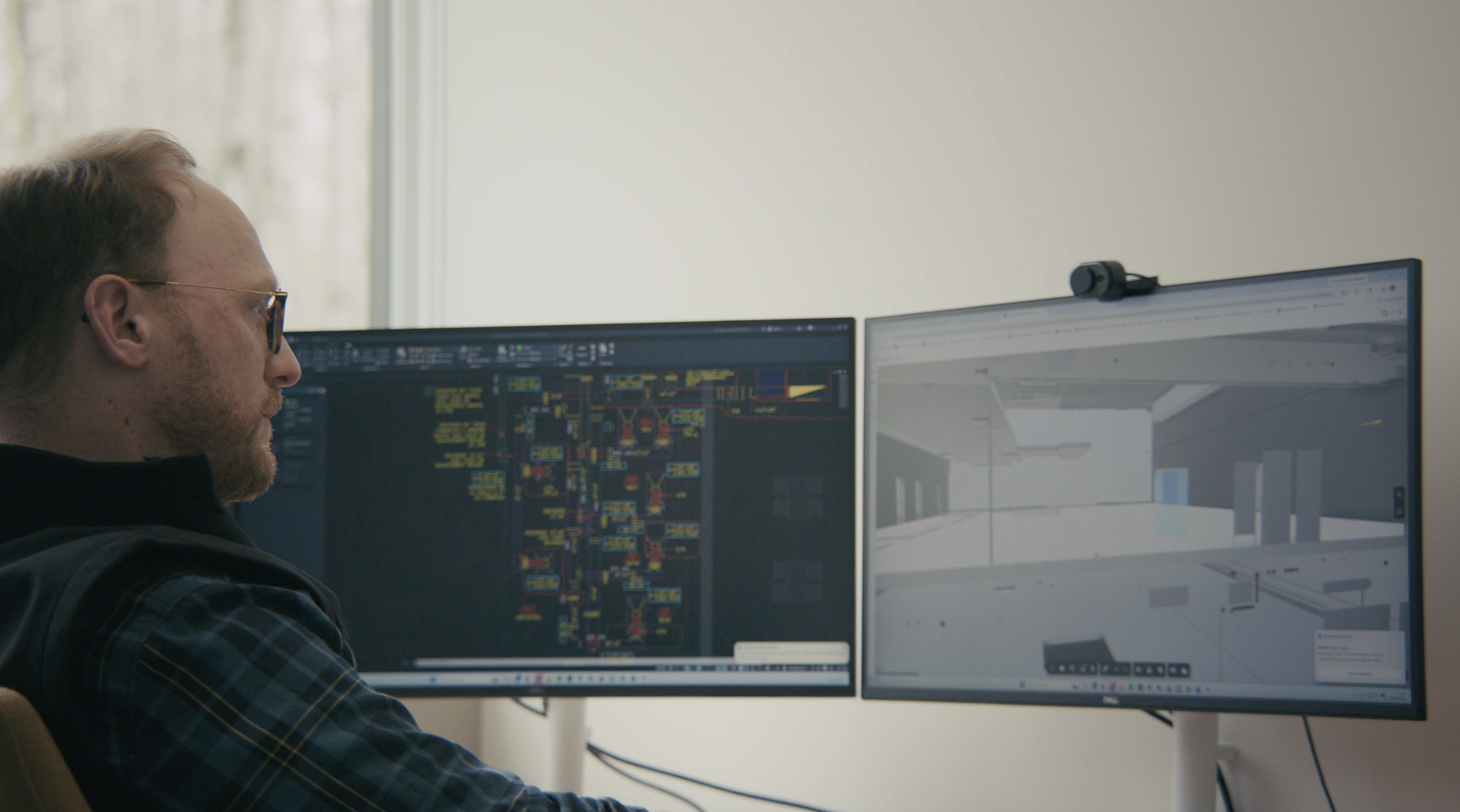
Consab expert analyzing control systems

THE CONSAB DIFFERENCE

Our strength lies in our ability to offer you unparalleled consulting services thanks to our:
Independence from manufacturers:

Recommendations based on your actual needs, budget, timelines, and technical requirements, not on a pre-determined catalog.


Integrated design-build expertise:

The ability to manage both design and construction, allowing us to anticipate on-site challenges as early as the consultation phase, helping you avoid surprises, delays, and additional costs.


Agile and personalized approach:

We offer either full-service management of your project or a more targeted approach for a specific phase.

Ready to bring your biotechnology cleanroom project to life?

Whether you’re developing cell therapies, producing monoclonal antibodies, manufacturing vaccines, or culturing specialized microorganisms, our team has the expertise to design solutions that balance optimal biological control with operational viability.